
 WhatsApp










Guides
Best Cannabis Strains for Sleep: What Actually Works and Why
For sleep, look for indica strains rich in myrcene and linalool — Granddaddy Purple, Northern Lights, Bubba Kush, Purple Kush and Comatose are consistent performers. Take it 60–90 minutes before bed, use a moderate dose rather than a large one, and consider CBN products, which are specifically associated with sedation.
Why some strains help sleep and others don’t
Two variables matter more than the souche name: the cannabinoid mix and the terpene profile.
THC can reduce the time it takes to fall asleep, which is why cannabis is widely used as a sleep aid. But high doses come with a trade-off — research consistently indicates THC suppresses REM sleep, the stage associated with dreaming and memory consolidation. That’s why heavy nightly users often report vivid, intense dreams when they stop: REM rebounds.
CBN forms as THC ages and oxidizes. It’s the cannabinoid most associated with sedation, and it’s why some older, properly stored flower feels heavier than fresh.
CDB is non-intoxicating and doesn’t directly sedate, but it can reduce the anxiety that keeps people awake — and it tempers THC’s intensity, which helps if high-THC products make you restless.
The terpenes that matter for sleep
| Terpene | Arôme | Associated with |
|---|---|---|
| Myrcene | Earthy, musky, mango | The most sedating terpene; relaxation and heaviness |
| Linalool | Floral, lavender | Calm, stress reduction |
| Caryophyllene | Pepper, spice | Body-focused calm and comfort |
| Terpinolene | Fresh, fruity | Often stimulating — avoid before bed |
| Limonene | Citrus | Mood lift and energy — better for daytime |
Practical rule: if it smells earthy, musky or floral, it’s more likely to help you sleep. If it smells bright and citrusy, it probably won’t.
Strains with the strongest sleep reputation
| Strain | Type | Profile | Best for |
|---|---|---|---|
| Comatose | Indica | Earthy, sweet | Heavy sedation; insomnia |
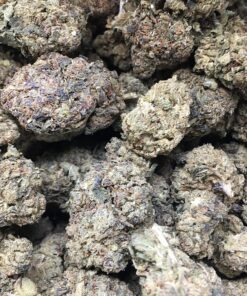
| Granddaddy Purple | Indica | Grape, berry | Full-body relaxation |
| Aurores boréales | Indica | Sweet, spicy, earthy | Classic all-rounder for sleep |
| Bubba Kush | Indica | Coffee, chocolate, earth | Tranquil, weighted calm |
| Kush pourpre | Pure indica | Sweet grape, earth | Deep sedation, pain relief |
| Blackberry Kush | Indica | Jammy berry, diesel | Stress plus sleep |
| Pink Coma / Pink Kush | Indica | Sweet floral, gas | Nighttime wind-down |
| Souffle Mendo | Indica | Vanilla, caramel | Gentle, comfortable sedation |
| Usine de hasch | Indica | Spiced, hashy | Heavy, resinous relaxation |
Effects vary by person. If one doesn’t work, the next reasonable step is changing terpene profile — not simply increasing dose.
Timing and dose
- Smoking or vaping: onset in minutes; take it 30–60 minutes before bed.
- Edibles: onset 45–90 minutes; take it 60–90 minutes before bed so it lands as you’re settling, not after you’ve drifted off.
- Tinctures held sublingually: 15–45 minutes; more predictable timing than edibles.
More is not better. This is the most common mistake. Excessive THC can produce racing thoughts, an elevated heart rate, or a heavy, unrefreshing sleep followed by morning grogginess. A moderate dose usually outperforms a large one for sleep specifically.
The honest trade-offs
Worth knowing before making cannabis a nightly habit:
- REM suppression. Regular high-THC use reduces REM sleep. You may fall asleep faster but get less restorative dreaming sleep.
- Tolerance builds quickly for sleep effects — often within days to weeks — so the dose that worked stops working.
- Rebound insomnia is common when stopping after regular use, typically lasting several nights.
- Morning grogginess is frequent after large evening doses, particularly with edibles.
A practical approach many people adopt is using cannabis for sleep a few nights a week rather than every night, which limits tolerance and preserves effectiveness.
Getting better results
- Choose indica or indica-dominant flower with earthy or floral aromas.
- Start with a moderate dose and adjust downward if you wake groggy.
- Time it so onset aligns with getting into bed.
- Pair it with basic sleep hygiene — consistent bedtime, dark room, screens off.
- Track what you take and how you slept for a week; patterns emerge quickly.
If insomnia is persistent, cannabis is a sleep aid rather than a treatment — speak with a healthcare professional about the underlying cause.
Questions fréquemment posées
What is the best strain for sleep?
Indica strains high in myrcene — Granddaddy Purple, Northern Lights, Bubba Kush, Purple Kush and Comatose are among the most reliable.
Is indica or sativa better for sleep?
Indica. Sativa is energizing and tends to work against sleep.
How long before bed should I take it?
30–60 minutes for smoking or vaping; 60–90 minutes for edibles.
Does CBD help you sleep?
Indirectly — it can reduce anxiety that keeps people awake, and it softens THC’s intensity, but it isn’t a sedative on its own.
What is CBN and does it help sleep?
CBN forms as THC ages and is the cannabinoid most associated with sedation. Products combining THC and CBN are marketed specifically for sleep.
Why do I feel groggy the next morning?
Usually too high a dose, or taking an edible too late. Reduce the amount and take it earlier.
Does cannabis affect dream sleep?
Yes — regular high-THC use suppresses REM sleep, which is why vivid dreams return after stopping.
Shop sleep-friendly cannabis in Toronto
Parcourir indica flower, sleep-focused comestibles, or hacher for a heavier evening option. Same-day livraison across Toronto and the GTA. New to edibles? Read our edibles timing guide first.
General information, not medical advice. Talk to a healthcare professional about persistent sleep problems.
